When to Call Termite Control Services for an Infestation
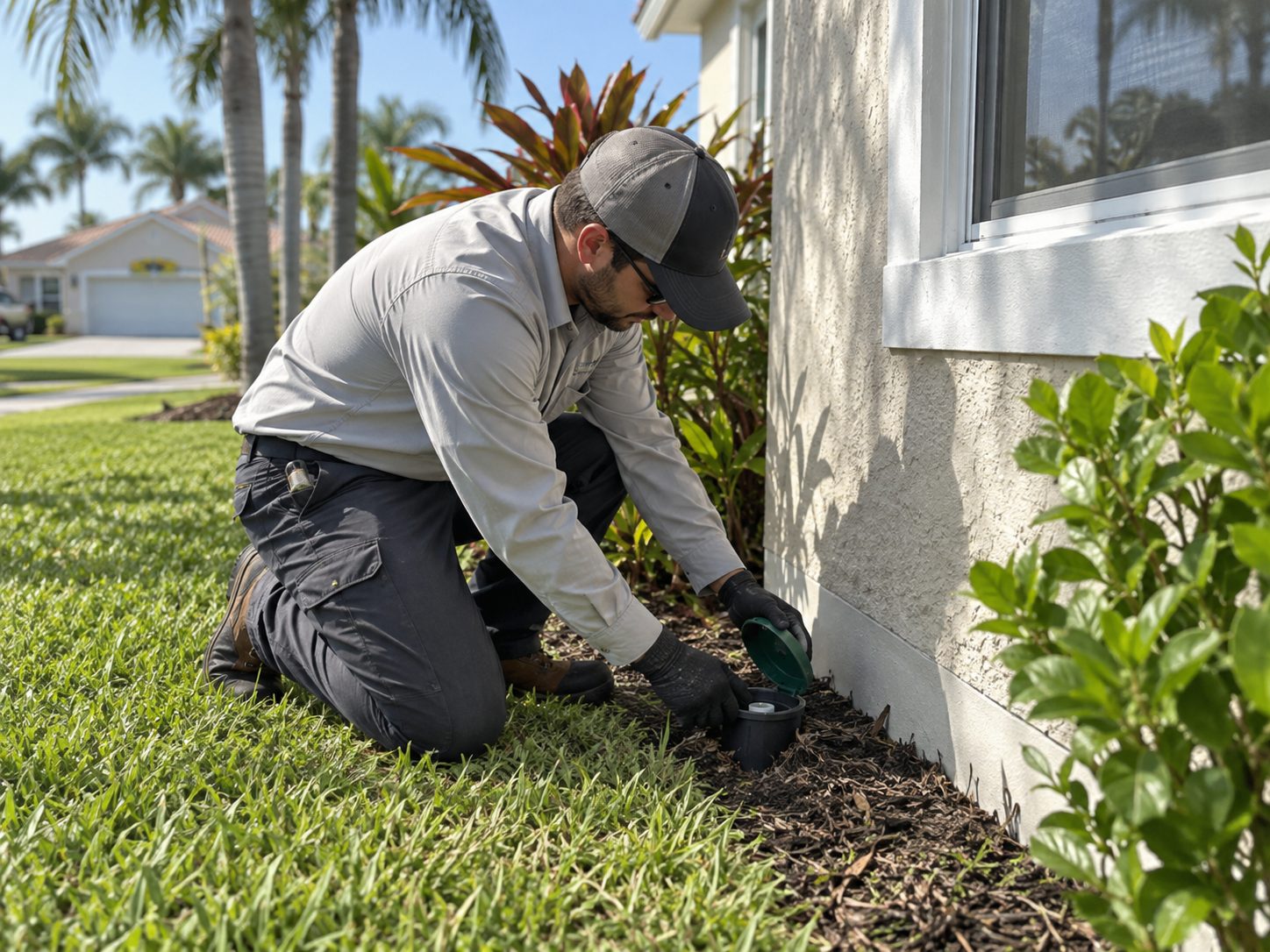
Termites do their best work out of sight. That is what makes them expensive.
Most homeowners do not call termite control services the first time termites show up. They call after a pattern starts to form, a soft spot by the baseboard, a window frame that suddenly feels papery, a pile of wings on the sill, a door that no longer closes cleanly because the surrounding wood has shifted. By then, the problem has usually been active for longer than anyone wants to hear.
I have seen people wait because they hoped it was old damage, because they had just paid for a roof repair, because they sprayed something from the hardware store and wanted to believe that took care of it. That delay matters. Termites are not like ants in the pantry or a wasp nest under the eave. They feed continuously, and they work inside wood, behind drywall, below flooring, and under foundations. If there is a right time to call, it is almost always earlier than people think.
The question is not only whether you have termites. It is whether the signs you are seeing point to an active infestation, a hidden entry route, or conditions that make an infestation likely enough to justify a professional inspection. Those are three different situations, and all three can warrant a call.
The point where concern becomes action
A lot of homeowners have a vague sense that termites are serious, but they still struggle to judge the moment when concern should turn into action. Part of the confusion comes from how subtle the early evidence can be. Part comes from the fact that not every damaged piece of wood means termites. Moisture rot, carpenter ants, old water damage, and settling can all mimic parts of the story.
The practical threshold is simpler than it sounds. If you are seeing direct evidence of termites, or if wood in your home is behaving in ways that suggest internal feeding, it is time to call termite control services. You are not overreacting by doing so. You are buying clarity before the damage spreads.
This matters even more in homes with crawl spaces, older additions, wood-to-soil contact, or previous moisture issues. Those conditions create opportunities that termites exploit. A home can look clean and solid from the street and still have an active colony working under the subfloor.
Signs that should move your call from “sometime soon” to “today”
Certain clues are strong enough that waiting rarely makes sense. The longer you let an active infestation continue, the more likely it is that treatment will involve a larger footprint, more repairs, and more disruption.
Here are the signs that usually justify calling termite control services right away:
- Mud tubes on foundation walls, piers, crawl space supports, garage walls, or plumbing penetrations
- Swarms of winged termites indoors, or piles of shed wings near windows, doors, or light fixtures
- Wood that sounds hollow when tapped or breaks apart into thin layers
- Bubbling paint, tight-fitting doors, or unexplained surface distortion over wood members
- Visible termite activity in damaged wood, including pale insects or pellet-like frass, depending on the species
Mud tubes are one of the clearest red flags, especially with subterranean termites. They build those shelter tubes to stay moist while moving between the soil and the wood they are feeding on. When I see homeowners scrape one off and then decide to “watch it for a while,” I know how that story tends to end. If a tube is active, termites will often rebuild it quickly. If it is inactive, you still need to know whether activity shifted elsewhere.
Swarmers create a different kind of confusion. People often mistake them for flying ants. The distinction matters because a termite swarm indoors usually means the colony is established in or under the structure, not just passing through the yard. Even if you only find the wings and miss the insects themselves, that is enough to justify a prompt inspection.
Wood damage can be trickier to interpret without experience. Termite-damaged wood often looks intact on the surface while the interior has been eaten away along the grain. I have pressed lightly on a trim board and watched a finger go through it. That is not a cue for DIY patching. It is a cue to find out how far the activity extends.
Why waiting is risky, even when the damage looks minor
Termites do not care whether the first wood they find is structural or cosmetic. They feed where access is easy and moisture conditions are favorable. Sometimes that means a basement sill plate or crawl space joist, which gets serious quickly. Sometimes it means a door casing or baseboard, which seems minor until you realize those visible spots are only where the damage finally surfaced.
A small visible area can conceal a much larger hidden network. That is the part many homeowners underestimate. Termites can move behind finished walls, along slab joints, through expansion cracks, and around utility entries. By the time one room shows evidence, several adjacent areas may already be affected.
There is also the issue of moisture. Homes with chronic dampness, poor drainage, plumbing leaks, or ventilation problems are especially vulnerable. In those cases, termites and moisture damage often show up together. Fixing the wood without fixing the conditions is like replacing a wet ceiling stain without repairing the leak. It restores appearance, not stability.
Cost is another reason people delay, but delay usually narrows your options. Early treatment may be limited to targeted correction and monitoring. Later treatment may involve more extensive baiting or soil treatment, wood replacement, access work, and follow-up repairs by carpenters or contractors. The inspection fee you were trying to avoid can turn into a much larger bill.
Cases where homeowners hesitate, but should still call
Not every situation comes with textbook signs. Some of the most important calls happen when the evidence is indirect.
If you bought a home and discovered old termite damage during remodeling, it is worth having termite control services determine whether it is truly old. I have seen many “historic” infestations turn out to be active because someone had patched over the visible area years earlier but never treated the source.
If a neighbor on your block has active termites, your risk is not automatic, but it is meaningful enough to take seriously, especially in dense developments or neighborhoods with similar construction and age. Colonies do not respect property lines. An inspection is sensible if your home shares the same moisture and wood contact conditions.
If you live in a region where subterranean termites are common and have never had a professional inspection, calling before you see obvious damage can still be the right move. Termite management works best when it is not purely reactive.
And if you are preparing to sell or buy a home, do not rely on a casual visual walkthrough from a general contractor or appraiser. Those professionals bring value, but termite-specific evaluation is its own discipline. A clean coat of paint can hide a lot.
What a professional sees that most homeowners miss
A proper termite inspection is not just about spotting bugs. It is about reading the building.
Experienced technicians look for patterns. They notice where grade is too high against the siding, where mulch bridges a foundation gap, where a deck ledger traps moisture, where a bathroom leak has gone on just long enough to soften subflooring, where earth-filled porches or foam insulation create concealed routes. They know the difference between termite galleries and carpenter ant damage. They can often tell whether damage is likely active, historic, or tied to another issue entirely.
That judgment matters because treatment should match the infestation. A one-size-fits-all approach is not good enough. Subterranean termites, drywood termites, and dampwood termites behave differently. The access points differ. The treatment methods differ. The follow-up plan differs.
A good inspection also helps you separate urgency from panic. Not every case means the house is unsafe to occupy. At the same time, some cases do call for fast structural evaluation, especially if support members, joists, beams, or wall framing have been compromised. Knowing the difference can save both money and unnecessary alarm.
DIY measures have a narrow role
There is nothing wrong with taking a few sensible steps while you wait for a professional visit. Reducing moisture, moving stored cardboard off the floor in a damp basement, trimming back vegetation, and documenting what you found with photos are all useful. But those are support measures, not treatment.
Over-the-counter sprays rarely address the actual colony. At best, they kill visible insects in a small area. At worst, they create a false sense of control while termites continue feeding elsewhere. This is especially common with subterranean termites, where the main problem usually starts in the soil and extends into hidden structural wood.
I have also seen well-meaning homeowners tear out damaged trim before inspection, which removes clues that help identify the type of termite and the direction of activity. If the area is safe to leave in place for a day or two, it is often better to let the inspector see it undisturbed.
Spot treatment can make sense in limited cases, but that decision belongs to someone who has identified the species, mapped the infestation, and checked the surrounding conditions. Without that context, DIY products are mostly guesswork.
How fast should you move?
If you have live termites, mud tubes, a swarm indoors, or fresh-looking damage, same week is the wrong timeline. Same day or next day is the better standard if service is available.
If you have only suspicious symptoms, such as blistering paint, soft trim, or wood that sounds hollow, a call within a few days is reasonable. That is not an emergency in the medical sense, but it is not something to push into next season.
If you simply want peace of mind because of age, location, or past risk factors, scheduling a preventative inspection on your own timeline is fine. Just do not let “preventative” become “after I finally see a problem.” With termites, visible proof often means the quiet phase is already over.
What to expect when termite control services arrive
The first visit should be investigative, not rushed. A technician will usually inspect accessible interior and exterior areas, paying special attention to baseboards, window and door frames, garages, utility penetrations, crawl spaces, basements, attics, and foundation lines. In homes on slabs, they will look closely at expansion joints, bath traps, cracks, and points where plumbing enters the structure.
You should expect questions about timing. When did you first notice the signs? Have you seen wings before? Any recent leaks, flooding, or remodeling? Has the home ever been treated? Those details help build a more accurate picture of whether the infestation is active and how it likely developed.
Treatment recommendations may include a liquid soil termiticide, a baiting system, localized wood treatment, or a combination. Each has strengths. Soil treatments can create a barrier around the structure. Bait systems can work well for monitoring and colony suppression over time. Localized treatment can help in certain contained infestations. The right answer depends on species, access, construction type, and severity.
If a company gives you a treatment quote without inspecting the property thoroughly, be cautious. Termite work is too site-specific for drive-by pricing.
The difference between nuisance damage and structural concern
Not every termite discovery means major reconstruction, but some do. Homeowners often need help understanding where the line is.
Damage becomes more concerning when it affects load-bearing elements such as sill plates, floor joists, support posts, beams, wall studs, roof framing, or stair stringers. It also becomes more urgent when there is visible sagging, springy floors, doors going out of square, or cracking that appears alongside wood deterioration.
Cosmetic areas like trim and casings can still signal a serious infestation, but the repair itself is usually simpler once the termite activity is controlled. Structural members are different because strength matters as much as appearance. In those cases, termite treatment may need to be followed by reinforcement, sistering, partial replacement, or a broader structural repair plan.
A responsible pest professional will tell you when a contractor or structural specialist should be involved. That honesty is a good sign. Anyone who dismisses obvious framing damage as “nothing to worry about” is not helping you make a sound decision.
Choosing the right company matters almost as much as calling quickly
There is a practical difference between a company that truly handles termite work every week and one that treats it as an add-on service. Experience shows in the inspection, the explanation, and the treatment design.
When evaluating termite control services, focus on a few basics:
- Ask whether they treat the specific termite species common in your area
- Request a clear explanation of the proposed treatment and why it fits your construction type
- Review warranty terms, retreatment provisions, and what ongoing monitoring includes
- Make sure they address contributing conditions such as moisture and wood-to-soil contact
- Get the findings in writing, including treated areas and recommendations for repairs or follow-up
You are not just buying a chemical application. Termite Control Services You are buying diagnostic judgment, treatment strategy, and accountability over time. The cheapest quote often leaves out follow-up, monitoring, or the less visible access work that makes treatment effective.
A strong company will explain trade-offs. For example, baiting may involve less disruption but can take time to produce full results. Liquid treatment can offer faster perimeter protection but may require drilling or trenching depending on the structure. There is no universal best method, only the best fit for the situation in front of you.
A few situations that deserve extra caution
Homes with finished basements can hide damage longer because access is limited behind drywall and flooring. If you have signs upstairs and no obvious source, do not assume the problem is small. The route may begin below finished surfaces.
Historic homes require care because repairs and treatments must respect older materials and unusual framing details. These homes can also have layers of past work that hide older infestations. You want someone comfortable reading that kind of structure.
Multi-unit properties add another layer. In duplexes, townhomes, and some condo buildings, termite activity can move through shared or adjacent structural spaces. Treatment may need coordination beyond a single unit.
And if someone in the home has chemical sensitivities, ask direct questions about treatment timing, ventilation, reentry guidance, and lower-disruption options. Good companies are used to these conversations and should answer them plainly.
What you can do before the appointment
A little preparation makes the inspection more useful. Clear stored items away from foundation walls in basements or garages if you can do so safely. If there is crawl space access, make sure it is unlocked. Gather any records of previous termite treatments, moisture repairs, or remodeling that exposed damaged wood. Take photos of swarmers, wings, mud tubes, or suspicious damage before cleaning anything up.
Do not seal, sand, paint, or replace the affected area before the inspector sees it unless safety requires immediate action. Fresh cosmetic work can hide evidence and delay a proper diagnosis.
The simplest rule to follow
If you are asking yourself whether the signs are serious enough to justify a call, that is usually your answer.
Termites are one of those problems that reward early certainty. A professional inspection may confirm your concern, rule it out, or catch a manageable issue before it becomes a structural repair. All three outcomes are worth the phone call. Waiting for damage to become obvious is rarely a money-saving strategy and almost never a low-stress one.
The best time to involve termite control services is when the evidence first appears, or when conditions suggest that hidden activity is plausible. Not after another rainy season. Not after the remodel. Not after you finally have time to deal with it. When wood is being eaten inside your walls or under your floors, time is not neutral. It favors the termites.
Maximum Pest Control
836 NE 7th Terrace Suite #5
Cape Coral, FL 33909
+1 239-772-7363
FAQ About Termite Control Services
What are two signs of a termite infestation?
Mud tubes along a foundation and piles of shed wings near doors or windows are two signs to investigate. Mud tubes are associated with subterranean termites. A licensed inspector can identify the insect and assess whether there is active infestation.
How many years does a termite treatment last?
There is no single timeline for all treatments. The method, site conditions, and maintenance affect how long protection lasts. Bait systems rely on monitoring and service. Ask the provider for the recommended inspection schedule and the terms of any coverage.
Is Termite Treatment Expensive in Cape Coral?
Cost depends on the termite species, the size and construction of the property, the extent of activity, and the treatment method. Request a written estimate after inspection and ask whether monitoring, follow-up visits, and renewals are included.