Termite Control Services for Crawl Spaces and Basements

Crawl spaces and basements have a way of staying out of mind until something goes wrong. They are dark, rarely visited, and usually full of the exact conditions termites prefer: stable moisture, limited airflow, and wood that sits close to soil. By the time a homeowner notices a problem upstairs, the activity below has often been underway for months, sometimes longer.
That is why termite work in these lower parts of a structure is rarely routine. It takes more than a quick inspection and a generic treatment. Effective termite control services for crawl spaces and basements depend on how the home was built, how water moves around it, what kind of termite pressure exists in the area, and whether the infestation is active, old, or part of a repeating pattern. The right approach is practical, technical, and often less straightforward than people expect.
Why lower-level spaces attract termites
Subterranean termites, the species most homeowners deal Termite Control Services with, need moisture to survive. Crawl spaces and basements often provide exactly that. In homes with crawl spaces, you commonly see earth floors or poorly sealed vapor barriers, wood framing close to grade, plumbing lines with slow drips, and vents that do not move enough air to keep the area dry. In basements, the issues tend to be different but just as favorable, such as foundation cracks, condensation on ductwork, old sill plates, or finished walls that hide wood and drywall paper from view.
A termite colony does not need dramatic openings to get into a structure. A crack the width of a credit card can be enough. Mud tubes can run up foundation walls, behind insulation, through expansion joints, around plumbing penetrations, and inside finished surfaces without obvious exterior signs. In the field, it is common to find damage concentrated around an area that has had chronic moisture for years, even if the homeowner never connected the two problems. A minor grading issue outside, a disconnected downspout, or an HVAC condensate line draining too close to the foundation can create conditions that quietly support an infestation.
Crawl spaces are especially deceptive because they let termites work in relative safety. In a basement, concrete creates a sense of security, but concrete is not a barrier if there are joints, cracks, or utility entries. In older homes, the sill plate and joist ends can be highly vulnerable. In newer homes, foam board, finished wall systems, and storage clutter often reduce visibility, making inspections harder and infestations easier to miss.
The signs that deserve immediate attention
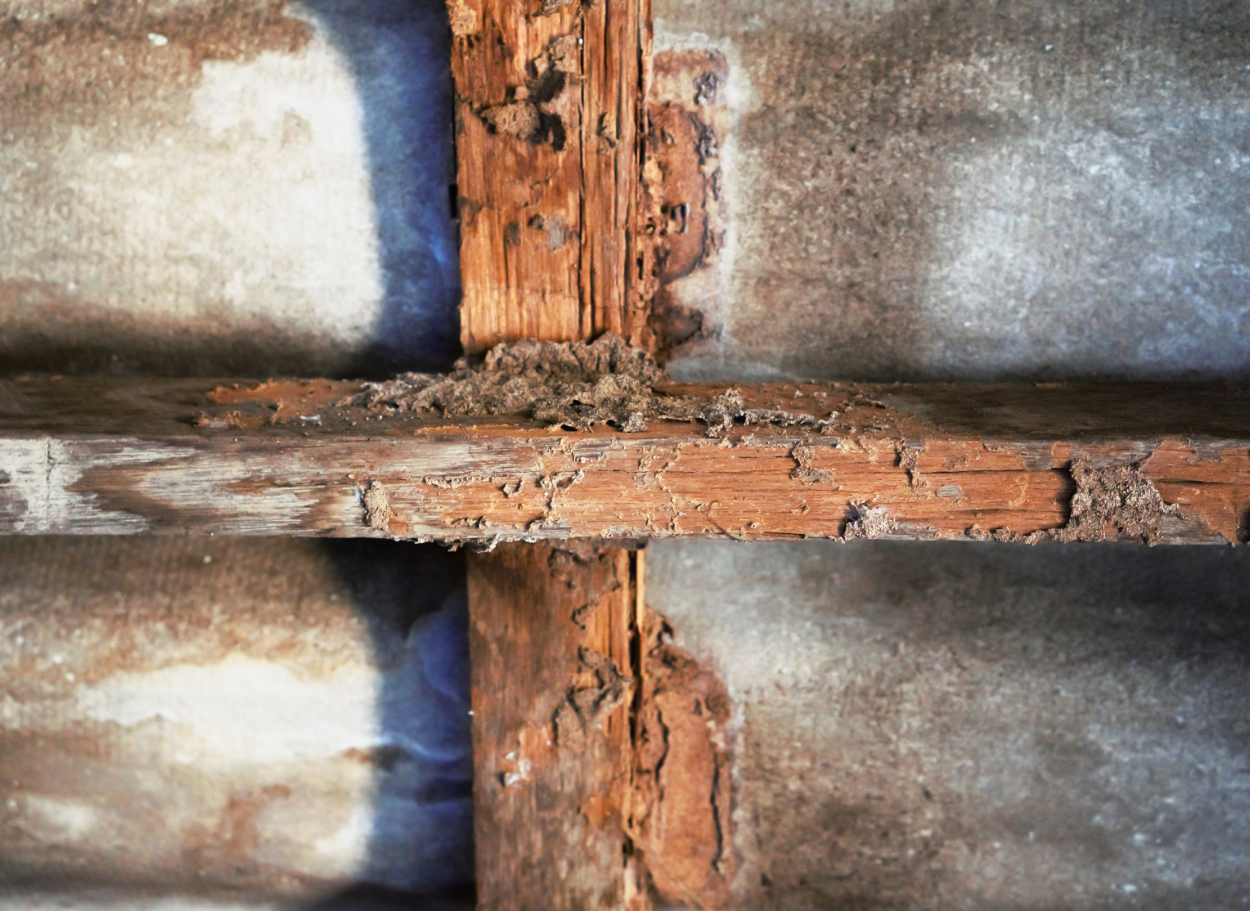
Homeowners often hope that a few suspicious marks are nothing more than water staining or old cosmetic damage. Sometimes that is true. Often it is not. Termite evidence in crawl spaces and basements tends to look subtle at first. Mud tubing on a foundation wall may be mistaken for dirt. Wood may sound hollow only in isolated spots. Paint can bubble in a way that looks like moisture alone. A support post may appear intact until a screwdriver sinks in farther than it should.
Swarmers are another clue, though they are frequently misunderstood. If winged termites appear indoors, especially near basement windows, sill areas, or utility penetrations, that should be taken seriously. The same goes for piles of discarded wings in a basement corner or around a crawl space access. Swarming does not always mean a major structural problem, but it does mean the property needs a proper evaluation.
One of the more telling patterns is repeated moisture trouble paired with repeated pest activity. If a crawl space has had fungal growth, wet insulation, or standing water, and there is now evidence of wood-destroying insects, those issues are usually connected. In practical terms, termite control services work best when moisture management is addressed at the same time. Treating one without fixing the other often leads to frustration and repeat visits.
Why crawl spaces require a different treatment mindset
A technician working a crawl space is dealing with a tight, contaminated, low-clearance environment where visibility is poor and access is limited. That alone changes the inspection and treatment process. A full perimeter treatment may still be the backbone of the plan, but the details matter more in a crawl space than they do in an open yard.
Homes with minimal clearance can make it hard to reach all foundation walls. Ductwork, plumbing, debris, old insulation, and previous repairs can block treatment paths. In some cases, portions of the crawl space may have to be cleared just to allow a complete inspection. If you skip that step, it becomes too easy to miss active tubes behind insulation batts or under bridging and blocking.
Moisture complicates things further. If the soil is saturated, termiticide behavior in the ground may differ from what you expect in dry conditions. If there is a standing water problem, a treatment can be weakened by runoff or by soil conditions that do not hold the application properly. These are not reasons to avoid treatment. They are reasons to treat with judgment and to correct the water issue with equal seriousness.
Professionals who spend time in crawl spaces tend to develop a very practical view of what works. Fancy language does not matter there. What matters is whether the technician can access the problem areas, whether the application reaches the soil and structural risk points that need protection, and whether the property conditions that invited the infestation are being corrected.
Basement infestations can be harder to read than they look
Basements come with their own blind spots. An unfinished basement makes inspection easier, but even then, activity may follow concealed routes. A finished basement can hide a great deal. Termites can travel behind drywall, under paneling, inside foam-backed systems, around window buck framing, or through utility chases with almost no visible evidence until damage becomes more advanced.
One common misconception is that if a basement foundation is poured concrete, termites cannot gain access. In reality, they often enter through expansion joints, slab cracks, cold joints, plumbing penetrations, and the narrow space where the slab and wall meet. In homes with basement additions or repaired sections, those transitions can create weak points. It is not unusual to see termites exploit an old patch, a settling crack, or a utility opening that was never sealed well.
Finished basements also create a trade-off that homeowners do not always anticipate. Comfortable living space often means more concealed wood, more wall coverings, and fewer visible clues. Sometimes inspection requires selective opening of a wall or removal of trim in a suspicious area. That is never anyone’s favorite recommendation, but it is often the responsible one when conditions strongly suggest hidden activity.
What a thorough termite inspection should include
Good termite control services start with a real inspection, not a glance around the perimeter. For crawl spaces and basements, the inspection should focus on both the structure and the environmental conditions that are supporting termite pressure. Experience matters here because termite evidence can be easy to confuse with rot, carpenter ant activity, or staining from old leaks.
A solid inspection usually includes the lower foundation walls, sill plates, joist ends, support posts, subfloor edges, plumbing and utility penetrations, expansion joints, and any visible areas where wood and masonry meet. Outside, the inspector should look at grading, downspouts, wood-to-soil contact, mulch levels, landscape beds against the foundation, and any structural features that bridge treated soil zones, such as steps, porches, or attached planters.
The moisture side deserves equal attention. A termite problem in a crawl space often sits next to poor drainage, torn vapor barrier sections, leaking hose bibs, sweating ductwork, or inadequate venting. In basements, the relevant clues might be efflorescence, repeated seepage, condensation, or old water damage behind stored items. When inspection ignores these details, treatment may kill active termites but leave behind the same conditions that attracted them.
A homeowner should expect a clear explanation of what was found, where it was found, and whether the evidence points to active termites, previous activity, or high risk without confirmed infestation. Those are different situations, and they should not be sold as if they are the same.
Treatment methods that actually fit these spaces
There is no single treatment that suits every crawl space or basement. Soil-applied liquid termiticides remain one of the most common and dependable tools, especially for subterranean termites. When applied correctly around the foundation and at key entry points, they create a treated zone that termites encounter as they move between the soil and the structure. In homes with crawl spaces, this often includes trenching and treating around foundation walls and piers, as well as addressing known entry areas under the structure. In basements, treatment may involve exterior soil application and, where needed, drilling through slabs or along interior expansion joints to reach soil beneath.
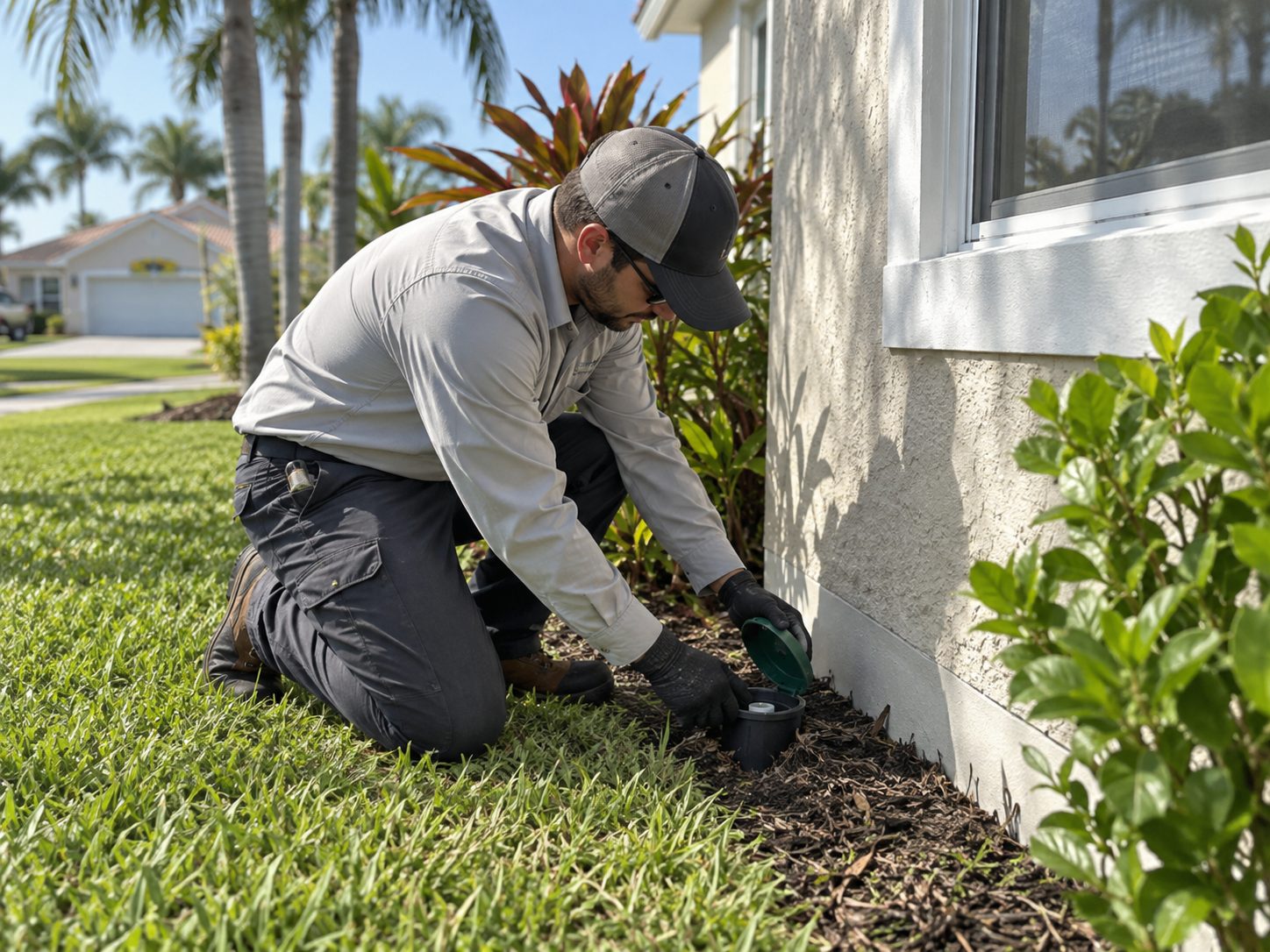
Bait systems can also play an important role. They are often used around the exterior to monitor termite activity and, depending on the system, to reduce or eliminate colonies over time. Baits are useful when liquid treatment is limited by construction features, drainage concerns, or homeowner preference. That said, they are not a magic substitute for every situation. Baits require monitoring, patience, and disciplined service intervals. In a house with aggressive active entry in a crawl space, many professionals prefer to pair colony management with direct structural protection rather than relying on one method alone.
Wood treatments have a more targeted role. If exposed framing in a crawl space shows active galleries or vulnerable unfinished wood, borate applications can provide added protection. They are especially useful in accessible areas during repairs or renovations. But they are not a complete substitute for treating the soil or addressing the colony pathway. Think of them as part of a layered plan, not the whole plan.
The best treatment plans usually account for access, moisture, construction type, and risk tolerance. A home with a dirt crawl space and extensive wood contact may need a very different strategy from a home with a finished basement and isolated evidence near a plumbing penetration. Good termite control services are tailored, not copied from a standard script.
Moisture control is not optional
If there is one point that deserves repeating, it is this: termite control below a home is inseparable from moisture control. You can treat an active infestation and still remain vulnerable if water keeps collecting where it should not.
In crawl spaces, effective moisture management often includes a properly installed vapor barrier, correction of standing water, repair of plumbing leaks, extension of downspouts away from the foundation, and better grading around the exterior. Sometimes a dehumidifier is part of the answer, particularly in humid regions or enclosed crawl spaces. In basements, moisture control may involve crack repair, interior drainage improvements, sump maintenance, better insulation around cold surfaces, or simply changing how air moves through the space.
I have seen homes where termite activity slowed after treatment, only to return near a chronic leak that no one fixed because the leak looked minor. A drip under a bathroom line does not feel urgent until you see what it does to the framing two years later. Termites are not the only problem that follows moisture, either. Fungal decay, poor indoor air quality, and insulation damage often come along with them, turning a manageable pest issue into a broader structural and environmental repair job.
Repairs, replacement, and knowing when treatment is not enough
Termite control stops the infestation. It does not automatically restore damaged wood. That distinction matters, especially in crawl spaces where support components carry real loads. Damage to joist ends, sill plates, beams, or posts can range from cosmetic surface etching to structural compromise that needs prompt repair.
This is where judgment matters. Not every board with termite marks needs replacement. Sometimes the damage is old, inactive, and limited. Sometimes sistering or localized reinforcement is enough. Other times, especially where a member has lost significant cross section or where rot and termite damage overlap, replacement is the responsible choice. A good pest professional should be willing to say when a contractor or structural specialist needs to look at the problem.
Basements add another wrinkle because damage can stay hidden behind finished materials. If staining, soft trim, buckling baseboards, or repeated paint failure appears in the same area where termite evidence was found, opening the wall may be necessary. It is better to know the extent of the issue than to treat around it and hope for the best.
Choosing a provider for this kind of work
Not every pest company is equally strong in crawl spaces and basements. Some crews are excellent at general perimeter service but less prepared for confined-space inspections or technically complicated lower-level treatments. When a home has access limitations, moisture history, or previous termite work, experience becomes more important.
A worthwhile provider should be able to explain why a treatment method fits your house, not just why it is the package they sell most often. They should also discuss the conditions that need correction and the parts of the structure that could not be fully evaluated if access was blocked. When a company acts as if all termite jobs are basically the same, that is usually a sign to ask harder questions.
A few questions help separate strong service from generic service:
- How will you inspect the entire crawl space or the finished portions of the basement if access is limited?
- Are you seeing active termites, old evidence, or only risk conditions?
- What moisture issues are increasing the chance of reinfestation?
- Will the treatment protect the known entry areas under or through the structure?
- What follow-up or monitoring do you recommend after the initial service?
These are not trick questions. A capable professional should answer them plainly and without overselling. Clear explanations are often a better sign of quality than a polished sales pitch.
What homeowners can do between inspections
Homeowners do not need to become termite experts, but a little attention to the lower parts of the house goes a long way. The most useful habit is simply to look, especially after heavy rain, plumbing repairs, or seasonal humidity changes. Many serious infestations grow because no one checked the crawl space or basement for years.
You do not need a complicated checklist. Keep the area accessible. Do not let storage cover foundation walls in the basement. Watch for new mud tubes, moisture stains, sagging insulation, soft wood, or unexplained debris that looks like dirt where it should not be. Outside, keep mulch and soil from climbing too high against the foundation, and make sure downspouts carry water well away from the house.
If you have had previous termite treatment, keep the service records. They matter more than people think. Knowing where drilling was done, which products were used, and when monitoring stations were last checked helps the next professional make better decisions. In repeat-issue homes, that history can save time and reduce unnecessary retreatment.
The real value of early action
Termite problems in crawl spaces and basements rarely improve with time. They usually become more expensive, more hidden, and more complicated by moisture and repair needs. The good news is that these infestations are manageable when they are approached correctly. Modern termite control services can be highly effective, but only when the plan respects how termites actually move through lower-level spaces and what conditions allow them to thrive.
The homes that do best are usually not the homes with perfect construction. They are the homes where someone noticed a warning sign, got a competent inspection, treated the right areas, and fixed the moisture issue that helped create the problem in the first place. That combination, inspection, targeted treatment, and environmental correction, is what gives crawl spaces and basements a real margin of protection.
If there is one practical takeaway, it is this: the lower levels of a home should not be treated as dead space. They are active parts of the building envelope, and when they stay damp, hidden, or neglected, termites notice. So should the people protecting the structure.
Maximum Pest Control
836 NE 7th Terrace Suite #5
Cape Coral, FL 33909
+1 239-772-7363
FAQ About Termite Control Services
What are two signs of a termite infestation?
Mud tubes along a foundation and piles of shed wings near doors or windows are two signs to investigate. Mud tubes are associated with subterranean termites. A licensed inspector can identify the insect and assess whether there is active infestation.
How many years does a termite treatment last?
There is no single timeline for all treatments. The method, site conditions, and maintenance affect how long protection lasts. Bait systems rely on monitoring and service. Ask the provider for the recommended inspection schedule and the terms of any coverage.
Is Termite Treatment Expensive in Cape Coral?
Cost depends on the termite species, the size and construction of the property, the extent of activity, and the treatment method. Request a written estimate after inspection and ask whether monitoring, follow-up visits, and renewals are included.