How Termite Control Services Help Protect Investment Properties
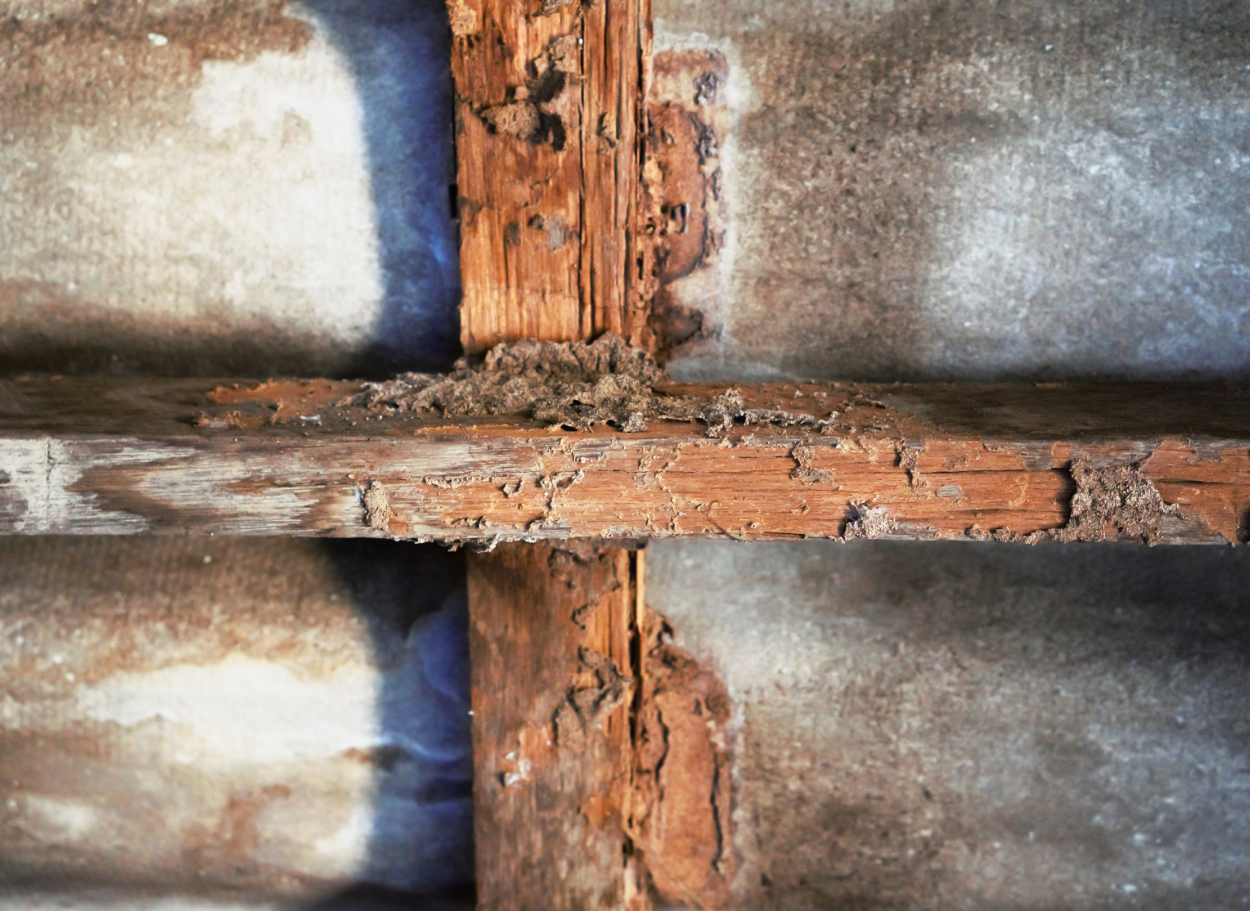
For owners of rental homes, apartment buildings, duplexes, and small commercial assets, termites are not a minor maintenance issue. They are a balance-sheet problem. The damage often starts quietly, behind drywall or beneath flooring, then shows up all at once in the form of a sagging porch, blistering paint, hollow trim, or a failed inspection right before a sale. By the time the damage is visible, the repair bill can be painful.
That is why termite control deserves a place in any serious property protection plan. Investors spend plenty of time thinking about vacancy rates, financing terms, insurance premiums, and capital improvements. Yet many overlook a risk that can quietly undermine the asset itself. Termite Control Services help reduce that risk, not just by killing an active infestation, but by preserving property value, controlling repair costs, protecting tenant relationships, and keeping future transactions from falling apart at the worst possible moment.
The investor’s problem is different from the homeowner’s problem
A primary residence and an investment property may face the same pest pressure, but the stakes are different. A homeowner usually thinks in terms of personal comfort and repair inconvenience. An investor has to think in terms of cash flow, occupancy, liability, and resale timing.
When termites attack a rental property, the cost rarely stops with pest treatment. There may be structural repairs, drywall replacement, trim carpentry, paint work, flooring removal, lost rent, and sometimes temporary relocation of tenants if the damage is serious enough. In older properties, one opened wall often reveals another deferred issue. What looked like a localized repair turns into a broader renovation, and the budget expands accordingly.
There is also the issue of timing. A termite problem tends to surface when an owner can least use the surprise: during a refinance, during escrow, after a heavy rain, or just after a new tenant signs a lease. Investors who own multiple units know that emergency spending has a way of clustering. A major HVAC failure in one building and hidden termite damage in another can eat through reserve funds fast.
That is where professional termite control becomes more than routine pest work. It becomes a form of asset defense.
Why termites are especially dangerous in investment properties
Many investment properties have risk factors that make termite issues more likely or harder to catch early. Rental homes often have deferred cosmetic maintenance between turnovers. Landscaping may be handled by different vendors over time, with varying levels of attention to drainage and wood-to-soil contact. A property manager may notice a plumbing leak, but no one lifts the access panel long enough to spot the damp sill plate attracting termites.
Multi-unit properties bring another challenge. Residents usually report what affects daily life, such as Termite Control Services a leaking faucet or broken appliance. They are less likely to notice mud tubes near the foundation, pinholes in drywall, or soft trim in a utility area. Even if they do notice, they may not recognize it as urgent. Owners who live out of town face an additional layer of distance. The property can look fine on a monthly statement while damage develops in a crawl space no one has entered for six months.
The result is predictable. Termite activity often persists longer in rentals than in owner-occupied homes, not because the insects prefer rentals, but because the inspection rhythm is weaker unless an owner deliberately sets one.
What Termite Control Services actually do
A lot of owners picture termite work as a one-time spray. Good service is far more methodical than that. The best providers approach termite risk in stages: inspection, identification, treatment, monitoring, and prevention.
Inspection is the foundation. A trained technician looks beyond obvious wood damage and tries to understand how termites might be accessing the structure. That includes moisture sources, grading issues, foundation cracks, cellulose debris, expansion joints, crawl spaces, attic framing, and landscaping features that bridge the gap between soil and wood. In practical terms, the inspection should answer two questions. Is there active termite activity now, and what site conditions make future activity more likely?
Identification matters because treatment depends on the termite species and the construction type. Subterranean termites behave differently from drywood termites. A slab-on-grade rental home presents different treatment options than a raised foundation duplex or a mixed-use building with inaccessible wall sections. A technician who treats every job the same way is not protecting the owner’s investment as well as someone who adjusts to the structure in front of them.
Treatment may involve liquid termiticides applied to the soil, baiting systems placed around the perimeter, localized wood treatment, void applications, or a combination of methods. There is no universal best method in every case. A newer single-family rental with clear exterior Termite Control Services access may be a strong candidate for a perimeter treatment. A property with drainage complications, additions, patios, and inaccessible slab edges may benefit from a baiting program and targeted intervention. The choice is partly technical and partly operational. Owners need protection that works, but they also need a plan that fits occupancy and budget realities.
Monitoring and follow-up are where many owners either save money over the long term or create future headaches. A treatment without a follow-up plan can become a false sense of security. Termites are persistent, and the conditions that attract them tend to recur unless someone keeps watch.
Prevention is often cheaper than repair, but timing is everything
Investors hear that prevention costs less than repair, and generally that is true. The nuance is that prevention works best when it is tied to the life cycle of the property. A newly acquired building should be inspected before or immediately after closing. A property entering a major renovation is the perfect candidate for preventative treatment because access is easier and hidden vulnerabilities are already exposed. A high-turnover rental should be rechecked between tenants, when baseboards, cabinets, and utility areas are more visible.
One owner I worked with had a portfolio of older wood-frame rentals in a humid market. He treated termite inspections as optional because the houses “looked fine” from the outside. After a routine turnover in one unit, a contractor replacing damaged vinyl flooring found subfloor rot and termite damage near a bathroom wall. The treatment cost was manageable. The structural repair and lost rent were not. After that, he changed course and built termite inspections into every turnover checklist. That simple shift did not eliminate the risk, but it shortened the time between problem onset and discovery. For investors, that time gap often determines whether a termite issue is a maintenance event or a capital event.
The hidden costs of waiting
Owners usually focus on treatment cost first. That is understandable, but it can distort the decision. The more expensive number is often the one that comes after delay.
Here is what waiting tends to increase:
- Structural repair costs, especially when framing, subfloors, fascia, or support members are involved.
- Vacancy losses if the unit becomes unsafe or disruptive to occupy during repairs.
- Transaction risk during refinancing, appraisal review, or buyer inspections.
- Tenant dissatisfaction when visible damage or repair disruption affects habitability.
- Scope creep, because opening damaged areas often uncovers moisture problems or prior patchwork.
A modest annual inspection cost can feel easy to postpone. A five-figure repair tied to concealed damage tends to settle the argument in a hurry.
How termite issues affect valuation and resale
Investment properties are valued on income, condition, and risk. Termite damage touches all three. If an inspector finds evidence of infestation or unresolved wood destruction before a sale, buyers become cautious. Lenders may ask questions. Insurers may raise concerns depending on the property type and the level of damage. Even when the issue is treatable, the negotiation changes.
Buyers do not just think about the treatment invoice. They think about uncertainty. They wonder what is still hidden, whether the repairs were done properly, and whether there is a pattern of neglected maintenance elsewhere. That uncertainty can lead to price reductions, repair credits, escrow holdbacks, or slower closing timelines.
For owners planning an exit in the next one to three years, termite documentation can be surprisingly valuable. A clear inspection history, records of preventative service, and prompt response to past findings show discipline. Sophisticated buyers and their inspectors notice the difference between a well-maintained asset and one that has simply been cosmetically refreshed.
Tenant relations matter more than some owners expect
Termites do not usually trigger tenant complaints in the same way roaches or bed bugs do, but they still affect tenant experience. Residents may see winged swarmers at windows, discover soft baseboards, or hear repairs being scheduled after an inspection flags structural concerns. Once tenants think the property is poorly maintained, trust erodes. That can affect renewals, online reviews, and the tone of future maintenance communication.
The best property managers handle termite work calmly and clearly. They explain what was found, what treatment is being performed, whether the issue affects safety, and what access will be needed. Residents do not need a technical seminar. They need confidence that the owner is addressing the problem professionally.
This is another place where reliable Termite Control Services pay for themselves. A reputable provider can coordinate with management, provide clear service reports, and minimize disruption. Good communication reduces anxiety, and reduced anxiety often means smoother access, better compliance, and fewer headaches for everyone involved.
Not all treatment plans fit every property
Owners sometimes ask for the cheapest treatment because they want the problem gone with minimal cost. That instinct is understandable, but it can backfire when the treatment does not match the structure or infestation pattern.
A small detached rental with exposed perimeter access may be straightforward. A fourplex on a complex slab with decorative hardscape, heavy irrigation, attached planter beds, and years of layered landscaping is not. A historic property with original wood details demands even more care. Treatment decisions should account for access, occupancy, moisture conditions, building age, and prior repair history.
This is where experience matters. A seasoned technician or pest professional will ask practical questions. Has the property had recurring moisture intrusion? Were additions built at different times? Is there a history of prior termite treatment? Are there inaccessible sections that limit liquid barrier continuity? Has a tenant reported swarms in a specific season?
Those questions are not upselling tactics when asked by a competent provider. They are how an effective plan gets built.
What smart owners look for in a termite service provider
Choosing a provider only by price is risky. The low bid may cover a narrow treatment area, exclude follow-up, or rely on assumptions that do not hold up once work begins. Investors need a company that understands both pest control and property operations.
A strong provider usually brings several things to the table:
- Detailed inspection notes that identify active findings and conducive conditions.
- A treatment plan tailored to the structure, not a generic package.
- Clear documentation for owners, managers, buyers, or lenders if needed.
- Warranty or monitoring terms explained in plain language.
- Coordination that respects occupied units, access limitations, and scheduling needs.
When owners compare bids, the key question is not simply, “Which one costs less?” It is, “Which one actually reduces my exposure over the next several years?” Sometimes that is the lower-cost option. Often it is not.
The role of moisture, drainage, and maintenance
Termites rarely operate in isolation from other property conditions. Moisture problems, poor grading, leaking hose bibs, clogged gutters, and wood debris against the foundation all create a friendlier environment for infestation. That is why termite protection works best when it is connected to regular building maintenance.
A property with chronic crawl space dampness is a classic example. An owner may pay for treatment, but if standing moisture remains under the structure, termite pressure often stays elevated. The same is true of mulch piled too high against siding, fence posts attached directly to exterior framing, or sprinkler heads that keep a wall perpetually wet. The pest control company can address the termites, but the owner or manager still has to fix the conditions that helped invite them.
Investors who perform annual property walks should train their eye for these patterns. That does not mean diagnosing infestations on the spot. It means noticing the conditions that make professional inspection more urgent.
Insurance usually will not rescue the owner
This is one of the more frustrating lessons for first-time investors. Many owners assume property insurance will cover termite damage the same way it might cover sudden storm damage or a burst pipe. In most cases, termite damage is considered preventable maintenance rather than a sudden accidental event. Policy terms vary, but owners should not count on insurance as their backstop.
That reality changes the math. If repair costs are likely to come out of pocket, then routine inspections and preventative treatment become easier to justify. Spending a controlled amount on prevention is often better than absorbing an uncontrolled loss later.
Different property types, different strategies
A scattered-site portfolio of single-family rentals needs a different termite strategy than a dense apartment complex. Single-family homes often require disciplined scheduling because each address has its own landscaping, drainage, age, and turnover pattern. One house may need attention because of a wood fence tied into the structure. Another may have elevated risk because the grading slopes toward the foundation.
Larger apartment properties benefit from systemization. Building-by-building inspection schedules, standardized reporting, maintenance follow-through, and centralized recordkeeping make a real difference. If one building shows termite activity, adjacent structures and common conditions should be reviewed instead of treating the event as isolated until proven otherwise.
Commercial mixed-use properties add yet another layer. Tenant improvements, utility penetrations, exterior modifications, and varied occupancy types create more pathways for hidden issues. In these settings, termite control needs to be integrated with broader facilities management, not treated as a side task.
When to schedule inspections
Timing matters more than many owners realize. Termite activity can be present year-round in many climates, but signs become more noticeable in certain seasons, especially during swarm periods. Even so, owners should not wait for a visible swarm to act.
The most useful inspection windows tend to be tied to ownership and operating milestones. Before purchase is obvious, but post-acquisition is almost as important, especially if the pre-close inspection was limited in scope. Before major renovations makes sense because walls, trim, or exterior assemblies may be opened anyway. At turnover, there is a rare chance to see more of the unit without disrupting occupancy. Before listing or refinancing, inspection can prevent unpleasant surprises from third-party reports.
For many long-term holds, an annual professional inspection is a sensible baseline. In higher-risk environments, such as warm humid regions or properties with prior history, more frequent review may be justified.
Recordkeeping is part of protection
One of the most overlooked parts of termite management is documentation. Owners often remember that a treatment happened, but not exactly when, where, under what warranty terms, or what conditions were noted at the time. Years later, when a buyer, insurer, or new property manager asks for records, the paper trail is incomplete.
That is a mistake, because records create leverage. They help establish maintenance history, clarify whether an issue is new or recurring, and support warranty discussions if follow-up is needed. They also help owners make better decisions. A note from two years ago about excess moisture near the rear foundation becomes more meaningful when a current inspector flags termite activity in the same area.
A good file should include inspection reports, treatment diagrams if provided, invoices, warranty information, and notes on related repairs such as drainage correction or wood replacement. It is not glamorous work, but it protects the owner when memories fade and circumstances change.
The return on investment is often indirect, but very real
Investors naturally want to know the payoff. With termite control, the return is not always a visible revenue increase. More often, it appears as avoided loss, smoother operations, and preserved optionality.
A treated and monitored property is less likely to surprise the owner with a sudden structural repair. A documented service history can support confidence during a sale. Prompt intervention can reduce the odds that a small infestation becomes a six-week rehab problem. Tenants experience fewer disruptions. Managers spend less time in reactive mode. Reserve planning becomes more predictable.
Those outcomes may not feel dramatic on a monthly statement, but over the life of an asset they matter. Experienced investors know that wealth in real estate is often built less by grand gestures and more by disciplined prevention.
Protecting the asset means thinking beyond the next invoice
The owners who handle termites best are usually the ones who view the property as a long-term operating business, not just a collection of short-term repair tickets. They understand that every building has a physical life cycle, and that invisible damage is still damage. They do not expect pest control to solve every underlying maintenance issue, but they do use professional service to detect risk early and contain it before it spreads.
Termite Control Services are valuable for exactly that reason. They help owners move from guesswork to informed action. They create a structure for inspection, treatment, follow-up, and documentation. Most importantly, they help protect what the investor actually owns, not just the rent roll, but the wood, framing, finishes, and structural integrity that make the income possible in the first place.
For any owner serious about preserving equity, controlling operating risk, and keeping properties marketable, termite protection is not an optional add-on. It is basic asset stewardship.
Maximum Pest Control
836 NE 7th Terrace Suite #5
Cape Coral, FL 33909
+1 239-772-7363
FAQ About Termite Control Services
What are two signs of a termite infestation?
Mud tubes along a foundation and piles of shed wings near doors or windows are two signs to investigate. Mud tubes are associated with subterranean termites. A licensed inspector can identify the insect and assess whether there is active infestation.
How many years does a termite treatment last?
There is no single timeline for all treatments. The method, site conditions, and maintenance affect how long protection lasts. Bait systems rely on monitoring and service. Ask the provider for the recommended inspection schedule and the terms of any coverage.
Is Termite Treatment Expensive in Cape Coral?
Cost depends on the termite species, the size and construction of the property, the extent of activity, and the treatment method. Request a written estimate after inspection and ask whether monitoring, follow-up visits, and renewals are included.